“We spent years training for Ironman, juggling demanding office jobs and obsessing over numbers—FTP scores, watts per kilo, VO₂ tests, split times. Then one day we traded our spreadsheets for a couple of bikes and headed out the door with no race on the calendar. A year later we came home fitter, happier and more in love with endurance than ever.”
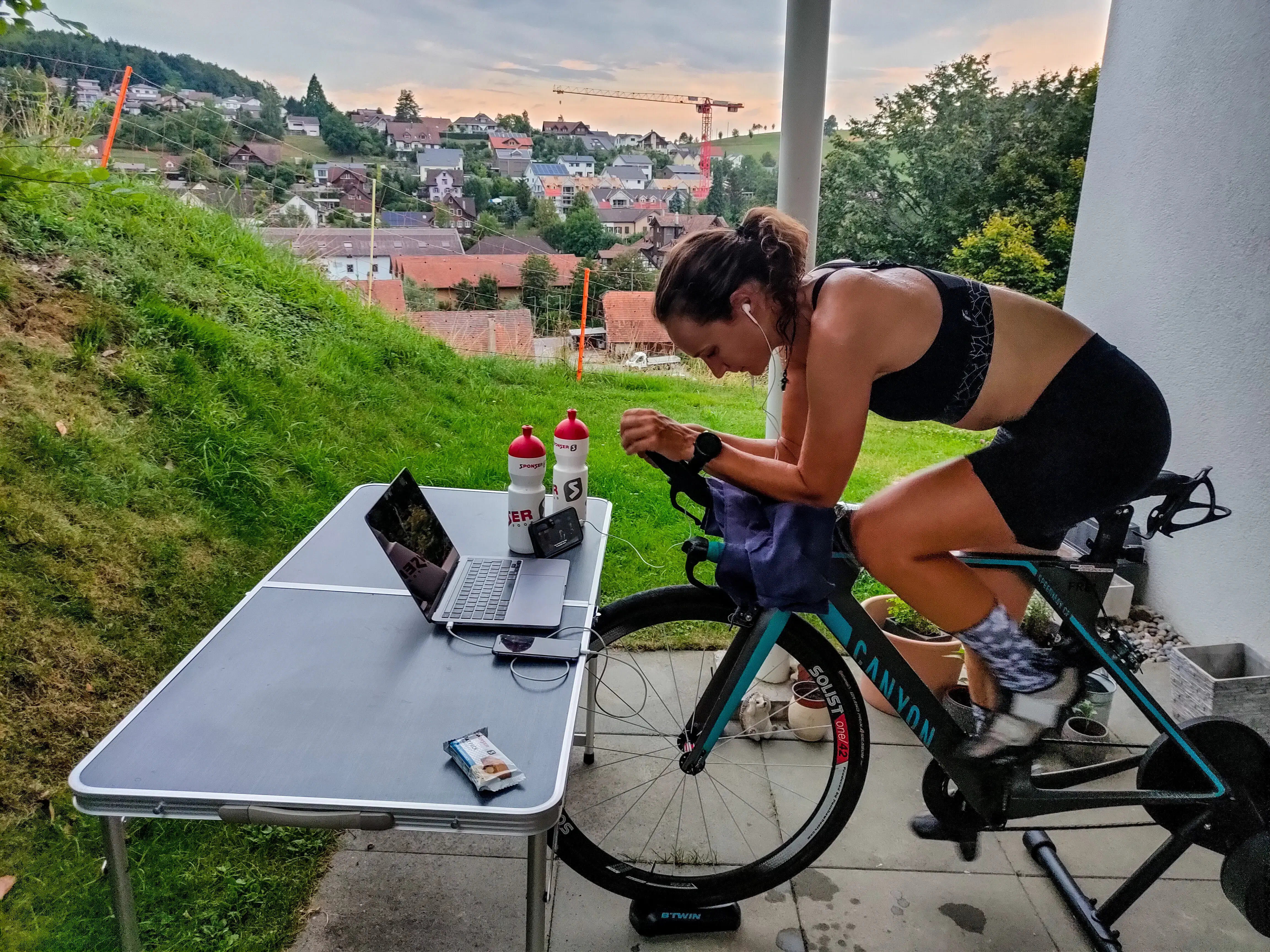
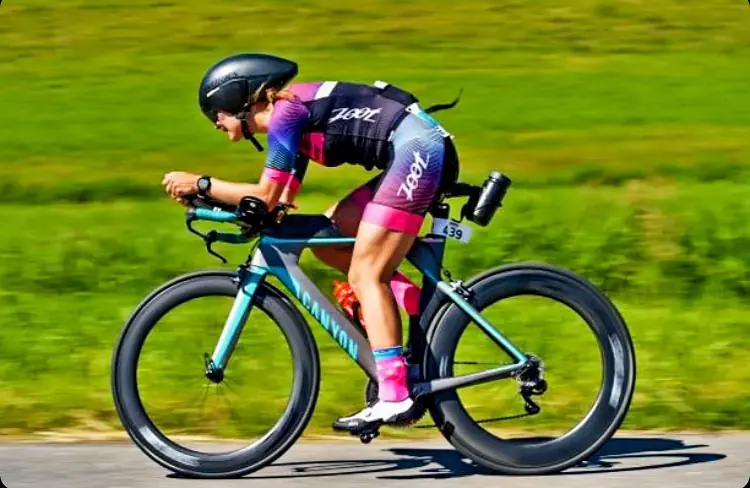
Not long ago our lives revolved around structured triathlon training and demanding office jobs. We measured success by data—how fast we could swim 3.8 km, what our FTP score was, where we placed in races—and trained to beat specific times and qualify for big events like the Ironman 70.3 World Championship. Franklin is meticulous about his numbers, poring over power files and heart‑rate curves, yet he also lets the day dictate his workout: if rain pours he’ll trade a long run for an indoor ride or a swim; if he feels like pedalling for five hours he just goes. I, being newer to the sport, clung to my coach’s plan because the structure gave me confidence.
After years of juggling spreadsheets at work and intervals on the bike, we began to wonder: what if we stopped chasing numbers and rode purely for the joy of it? That question led us to put our careers on pause, pack up just enough kit for varied terrain and climates, and head out on a year‑long bikepacking adventure. The photos and videos we shared from that year show the highlights—crossing countries on gravel bikes, camping under Milky‑Way skies, sipping coffee with strangers. What they can’t fully convey is how that decision reshaped our relationship with endurance. Here’s what we discovered.
Trading Goals for Experiences
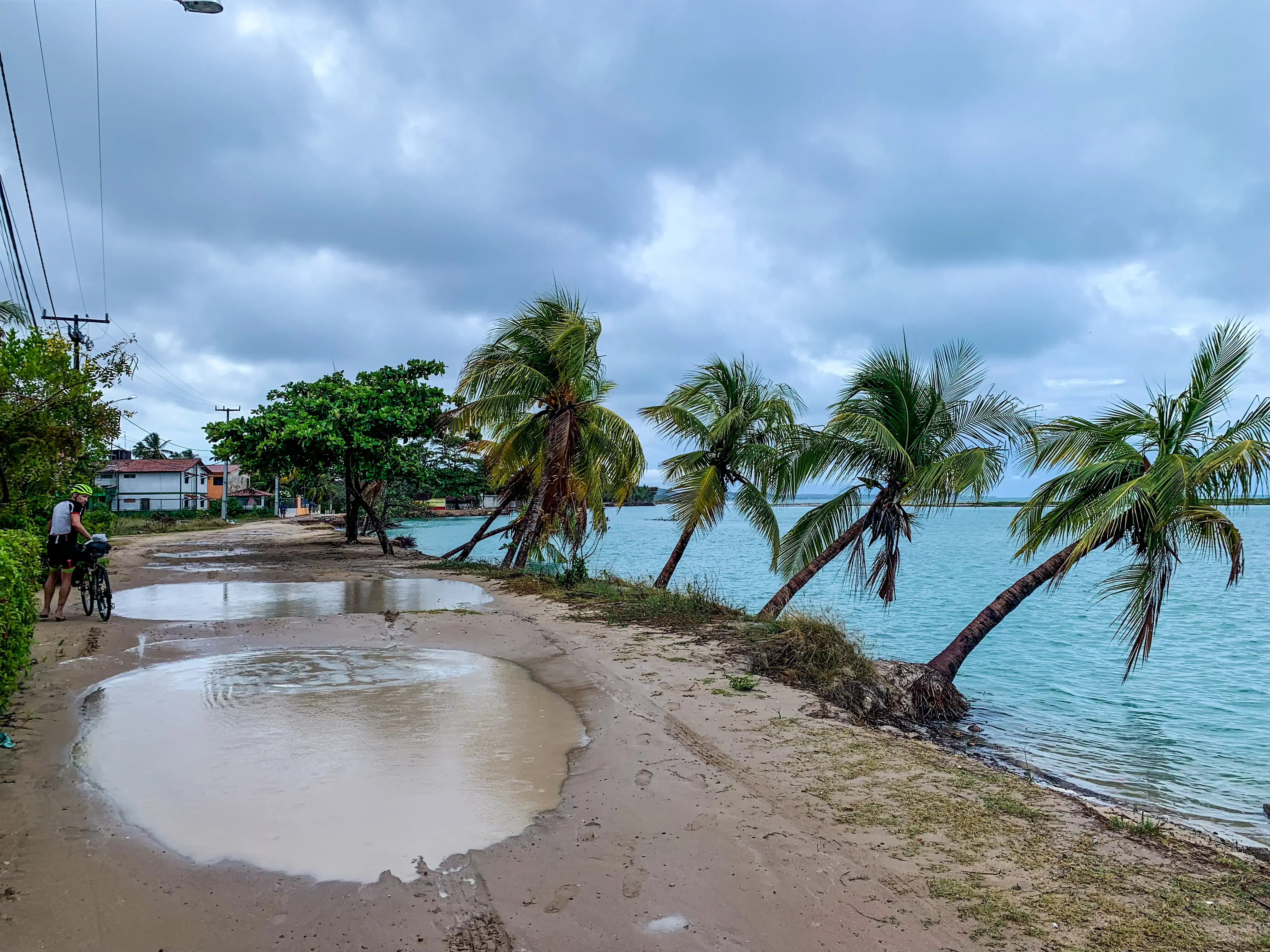
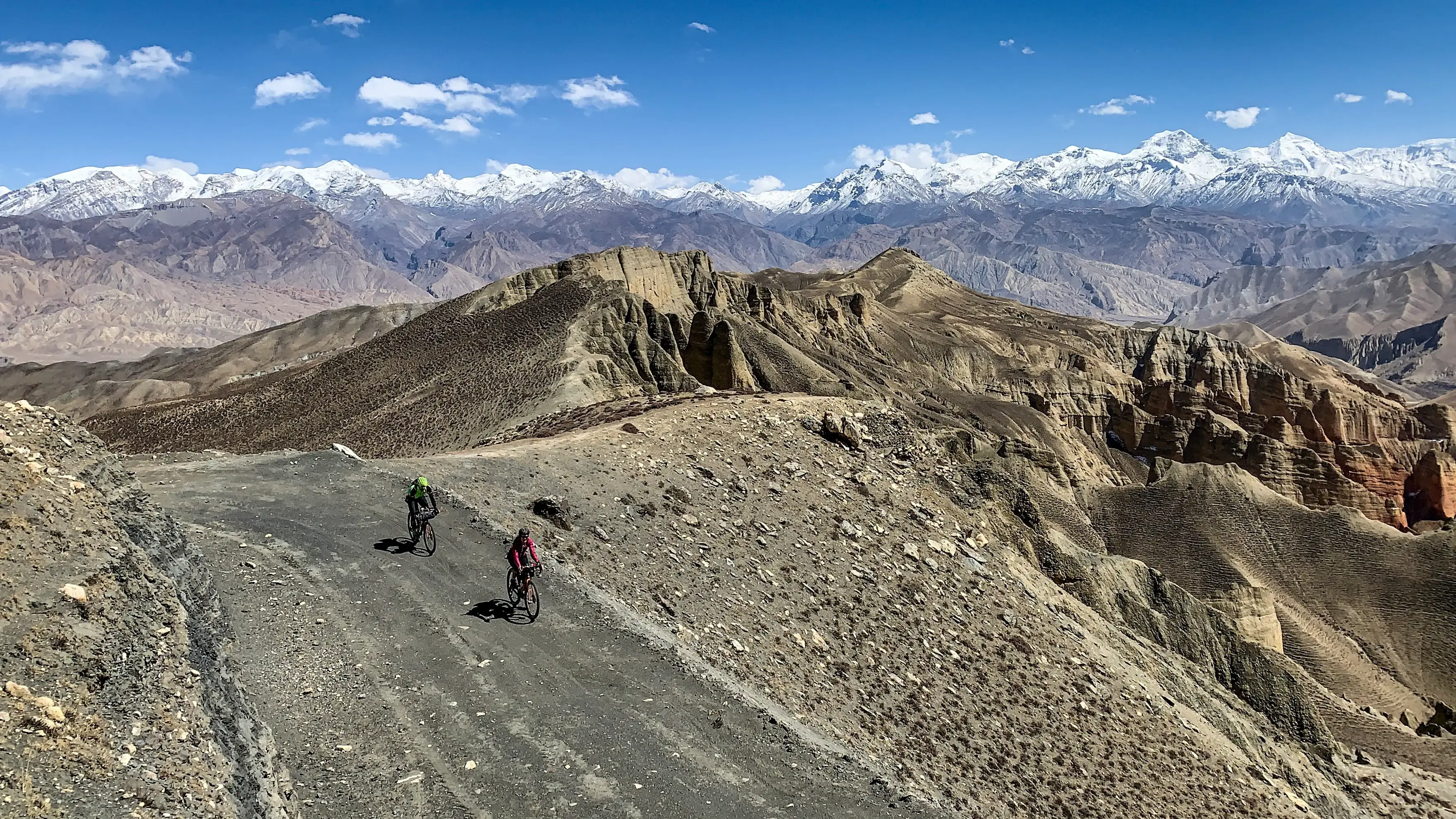
Over the next twelve months we traversed five very different countries. In Tanzania we learned grit and humility on the sandy, sun‑scorched road to Lake Natron, relying on the kindness of a safari guide for water and savouring the reward of zebras and volcano views when we finally arrived. Brazil’s endless coastline taught us to ride with the tides and listen to our appetites: some days we lingered over coffee until the sand firmed up, other days we rode hard‑packed beaches for hours and ended our rides with a swim in the Atlantic.
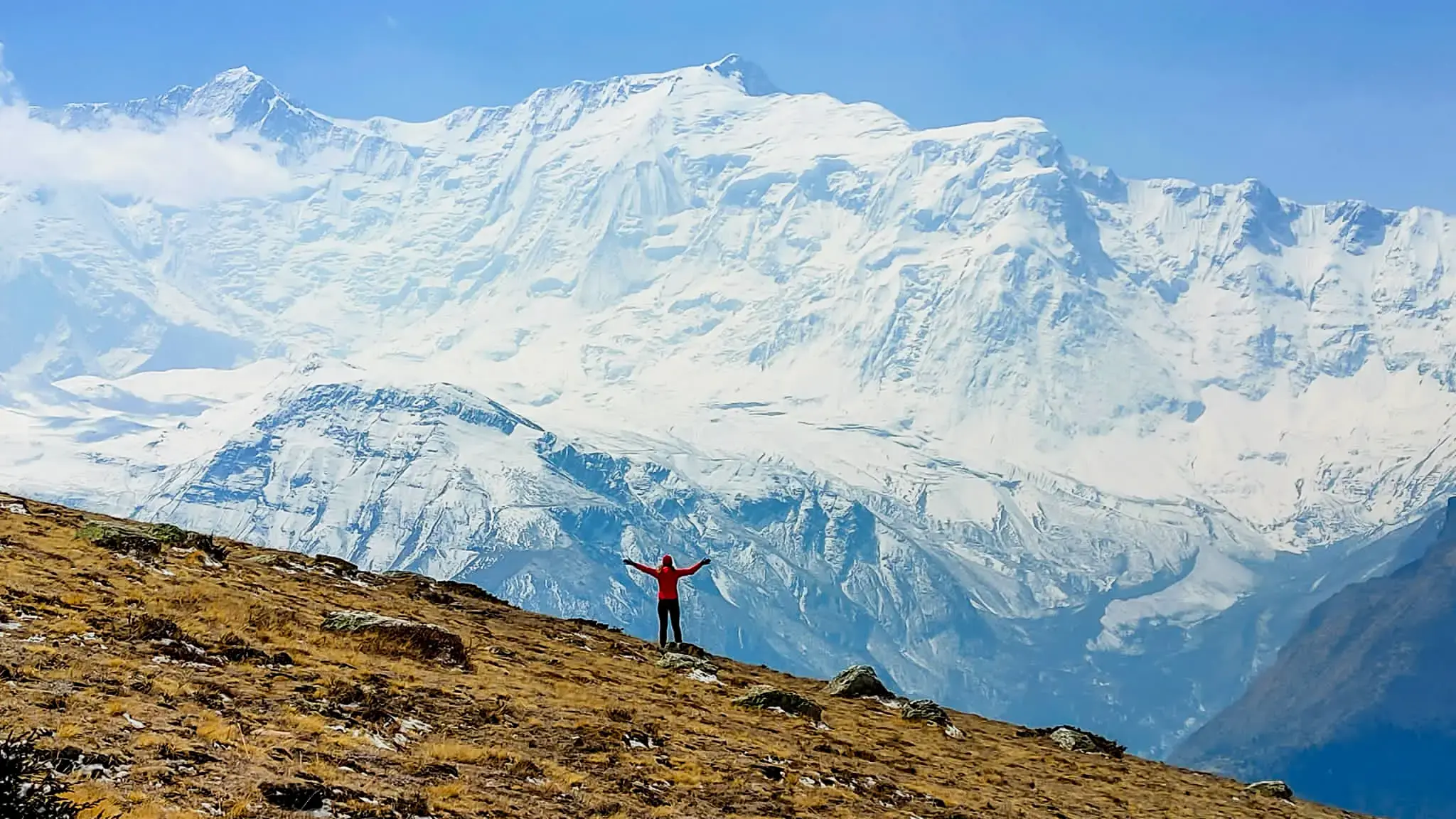
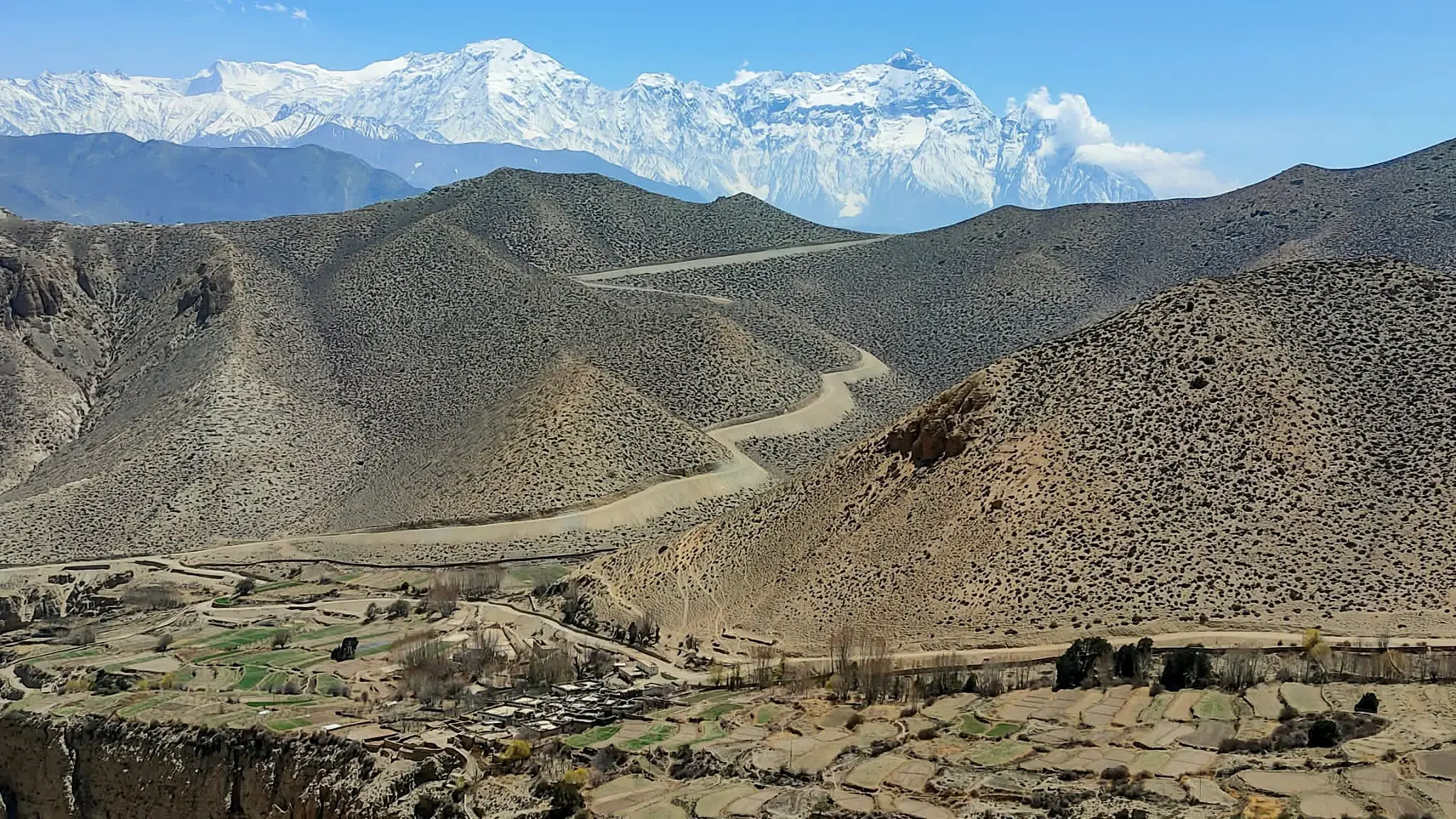
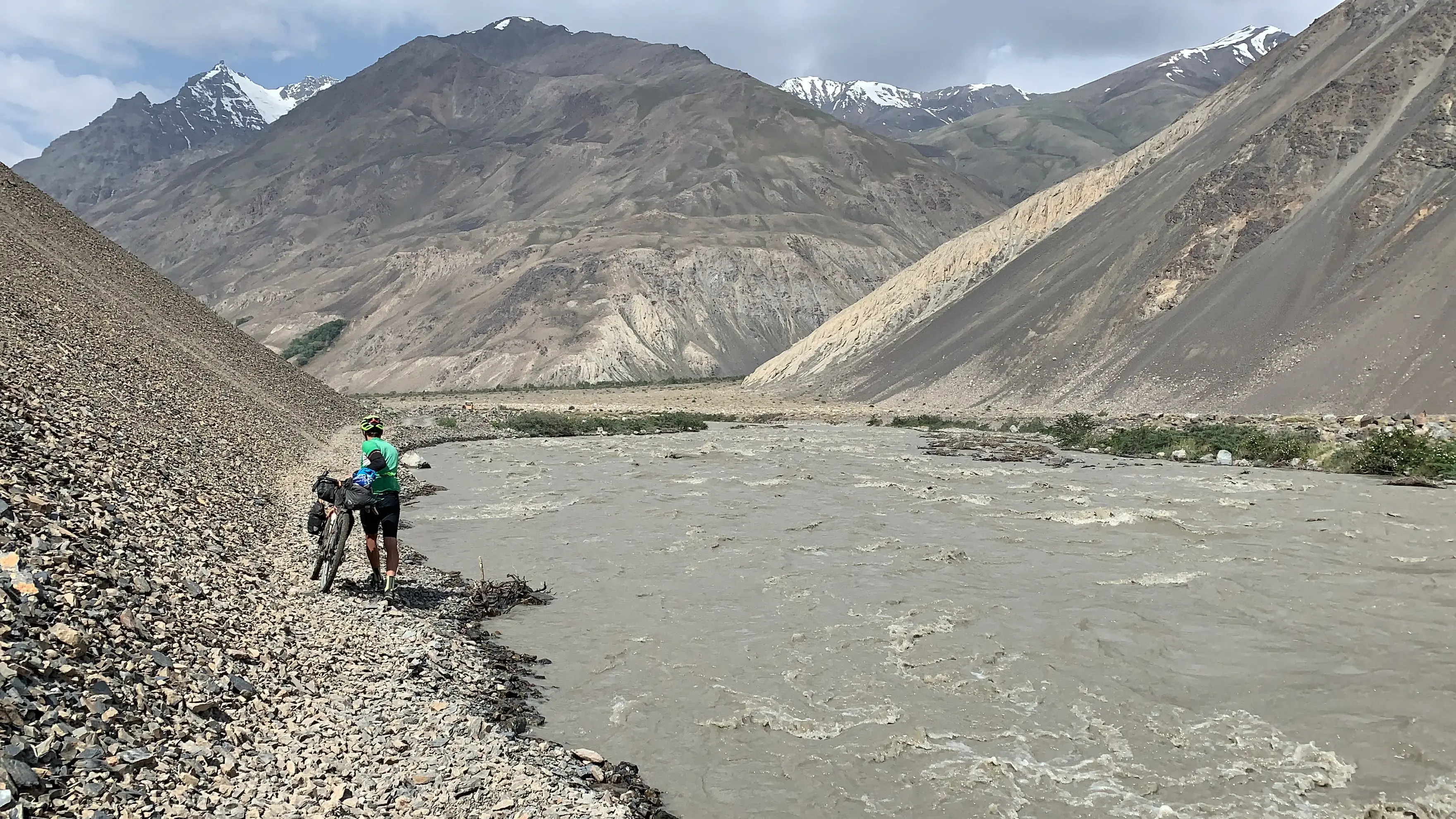
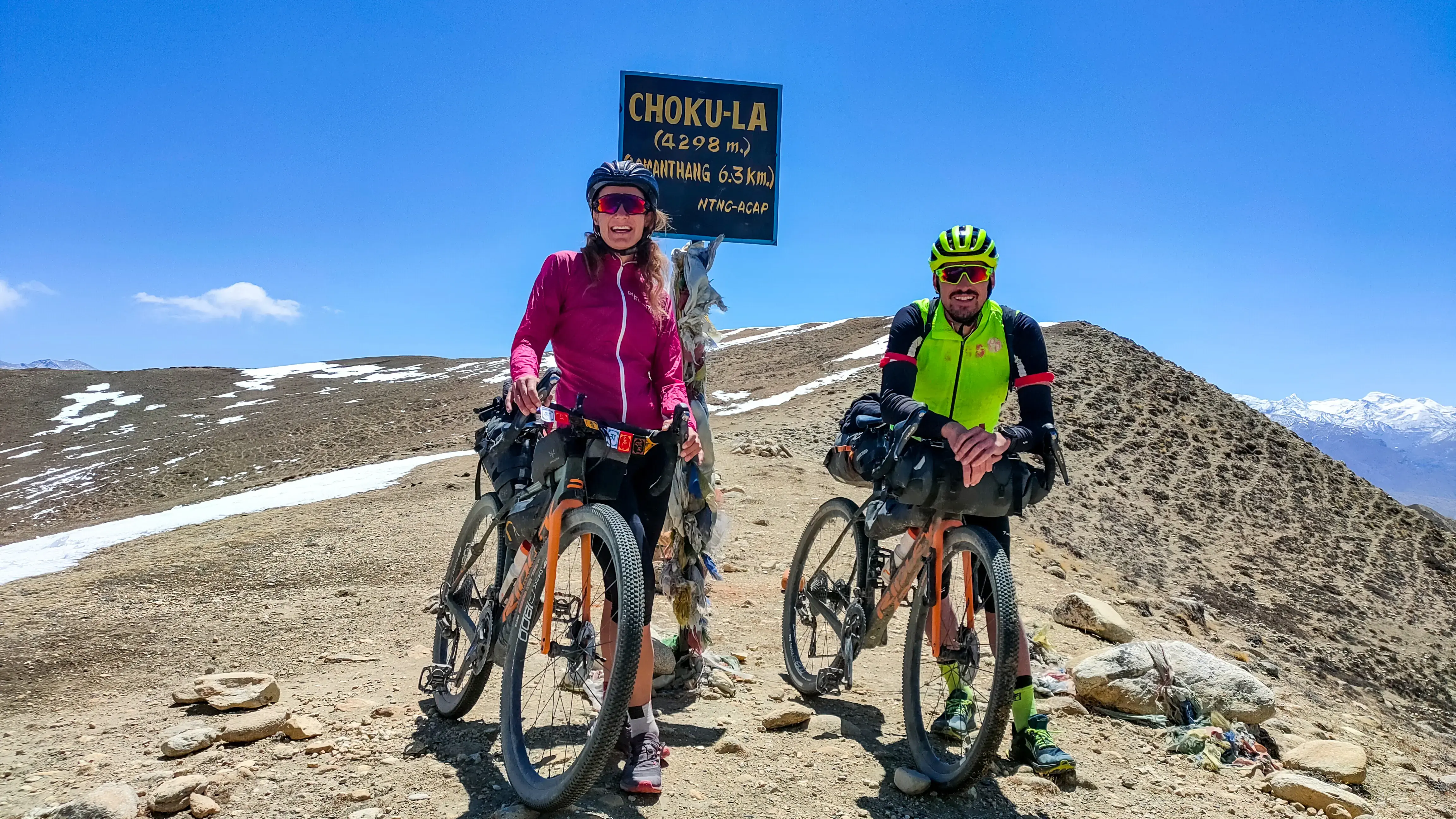
In Nepal the Annapurna Circuit reminded us that adaptation is part of the adventure—we swapped tyres to tackle rocky climbs, lingered in Kathmandu’s cafés and treated the high passes as gateways rather than tests. Armenia showed us a hospitality we hadn’t known before; villagers pressed pastries and fruit into our hands and offered beds in monasteries, so our days became about connection rather than kilometres. And in Tajikistan we cycled for days without seeing another soul, learning to appreciate silence, self‑reliance and the occasional cup of tea offered by a stranger in the Bartang Valley.
Across all these places we weren't chasing personal records; we were collecting lessons in resilience, spontaneity and human kindness.
Coming Home Fitter Than Ever
After a year of meandering, we returned home to find that our bodies were surprisingly strong. We hadn’t done any interval sessions, yet our legs could handle long rides and climbs with ease. The daily, low‑pressure movement of bikepacking had built deep endurance and resilience without the burnout we often felt during Ironman prep.
More importantly, our mental health had never been better. By letting go of metrics, we had reconnected with why we fell in love with endurance sports in the first place: the freedom, the exploration and the community.
A New Approach to Training and Life
Now that we’re back to juggling work, family and training, we’ve kept the lessons from our bikepacking year alive. We still set ourselves performance targets and chase personal bests, but we’re determined to make sure the road to those goals is filled with variety, nature, togetherness and joy. Instead of rigid schedules, we plan workouts around what gives us energy.
That might mean running with a jogging stroller to strengthen our legs while spending time with our child, commuting by bike to sneak in aerobic miles or planning a weekend micro‑adventure that doubles as a long ride and a family camping trip.
We still respect the science of training—threshold sessions, recovery days, mobility work—but we refuse to let numbers dictate our happiness. Franklin still loves running by feel; I’ve learned to trust my intuition. We make space for yoga, coffee rides with friends and spontaneous swims in the sea. When we sign up for a race, it’s because the course excites us, not because we want to beat our last time. And when work deadlines pile up or family needs us, we adjust our training rather than resent the interruption.
Key Takeaways
- Joy builds consistency. When you love what you’re doing, you show up more often and stay out longer. Bikepacking through Brazil’s beaches or Armenia’s vineyards kept us on the move because every day felt like an adventure.
- Fitness isn’t just numbers. You can gain endurance and strength through varied movement—hauling your bike over mountain passes, running with a stroller, hiking to a monastery—without a training app telling you so.
- Connection fuels motivation. Sharing tea with Tajik villagers or swapping stories with other travellers filled our emotional tank. Community and curiosity are as powerful as a new cassette or a VO₂ upgrade.
- Balance matters. Endurance training shouldn’t crowd out family dinners, work commitments or sleep. Integrate movement into your life instead of squeezing life around your workouts.
- Listen to your body and your heart. Data can guide you, but intuition is invaluable. Some days call for a hard ride; others require a gentle walk with the kids or a nap. Both are okay.
Final Thoughts
Finding the fun in endurance doesn’t mean abandoning performance; it means redefining success and the path toward it. We still love the rush of a finish line and we still celebrate PBs and strong splits—but we’ve learned that the journey to those moments is just as important as the outcome.
Our priority is feeling alive and connected, whether we’re pushing up a mountain pass or strolling to the playground. Letting go of rigid metrics for a year taught us that joy, curiosity and community are powerful training tools. Those are the numbers we’ll be chasing from now on.
You may also like
More escapes for your mind
November 2025 · 8 min read
Mind Over Kilometres: Lessons from My Hardest Ride
A 1,040-kilometre ultra around Switzerland and the mindset shifts that made finishing possible.
Read story →
December 2025 · 6 min read
Beyond Suffering: The Real Heart of Endurance
Why we’re not chasing pain, but the joy and freedom that live just beyond the comfort zone.
Read story →Planning your own adventure year? This is your reminder to protect joy as fiercely as your training plan.